
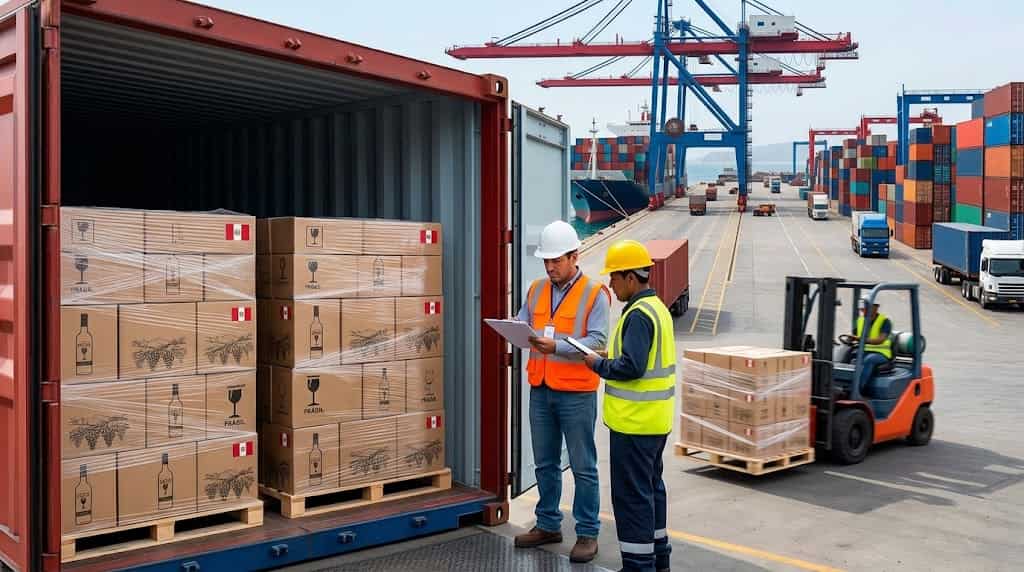
Guía práctica para productores, bodegas y empresas que quieren exportar Pisco desde Perú: requisitos, autorización de la Denominación de Origen, documentos aduaneros, certificaciones, costos y pasos para realizar […]
Popular Posts
Trending Posts
Recent Posts
Editors Choice
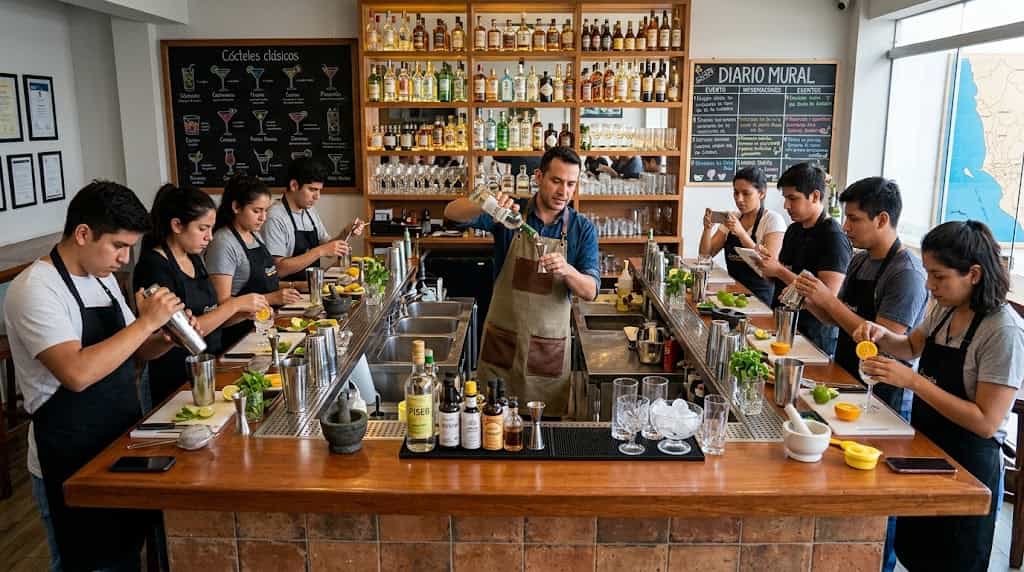
Curso de bartender en Lima: precios, duración y certificación
Descubre cuánto cuesta estudiar para bartender en Lima, cuánto duran los cursos, qué instituciones ofrecen formación presencial y qué tipo de certificado puedes obtener al terminar. Estudiar bartender […]

Curso de coctelería con Pisco en Lima: precios y dónde estudiar
Conoce cuánto cuesta estudiar coctelería con Pisco en Lima, qué escuelas ofrecen formación para bartender y qué opciones existen para aprender a preparar Pisco Sour, Chilcano y otros […]

Pisco Sour premium en Lima: precios, bares y hoteles
Descubre cuánto cuesta un Pisco Sour premium en Lima, qué bares ofrecen experiencias de coctelería de mayor nivel y qué hoteles combinan este cóctel peruano con gastronomía, rooftops […]
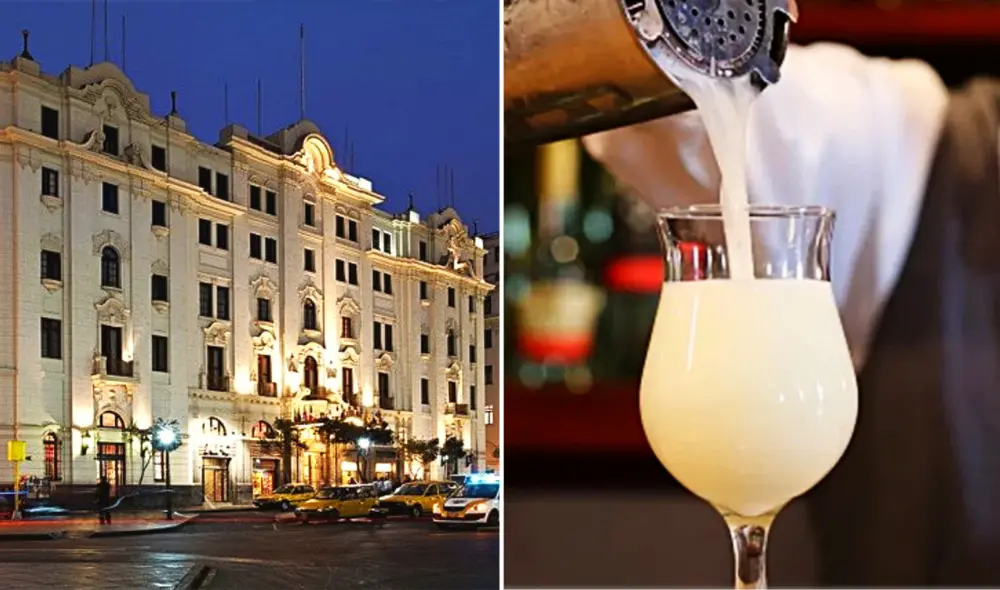
Hoteles de lujo en Lima con Pisco Sour: precios y experiencias
Descubre hoteles de lujo en Lima donde puedes disfrutar un Pisco Sour, degustaciones de pisco, bares elegantes, rooftops y experiencias gastronómicas. Conoce precios referenciales de alojamiento y qué […]
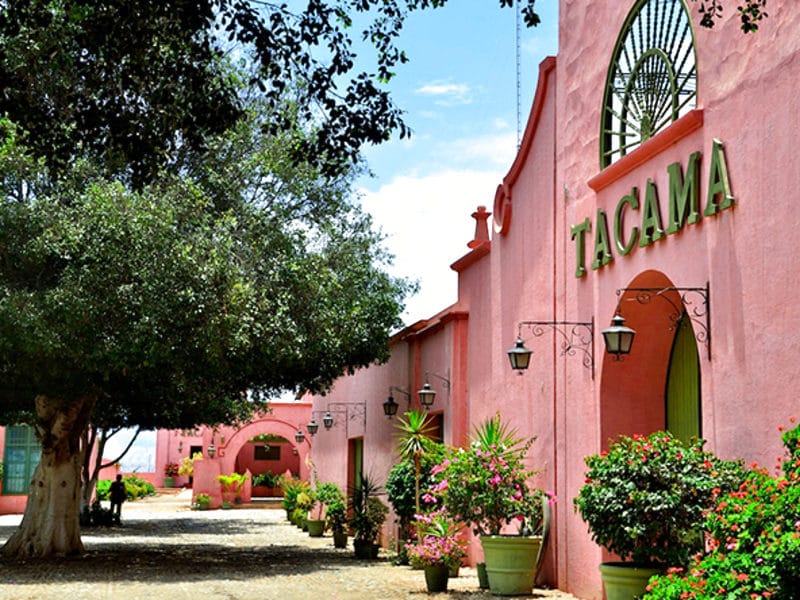
Hoteles en Ica cerca de bodegas de Pisco: precios y opciones
¿Buscas dónde hospedarte para visitar bodegas de pisco en Ica? Conoce las mejores zonas para alojarte, precios referenciales, hoteles cerca de Huacachina y alternativas para organizar una ruta […]
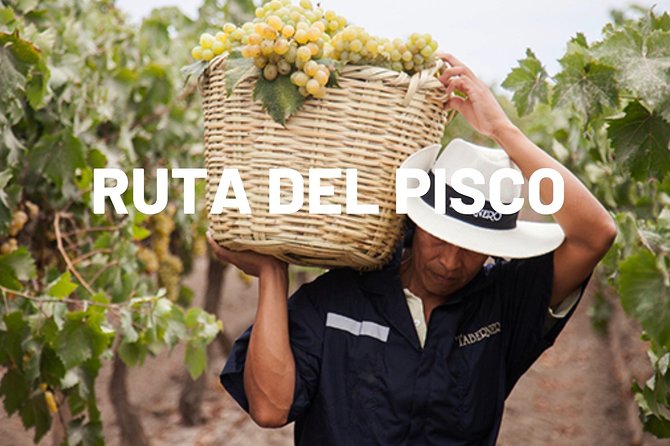
Tour del Pisco en Ica: precios, bodegas y paquetes turísticos
Un tour del pisco en Ica permite conocer viñedos, bodegas y destilerías, descubrir cómo se produce el pisco peruano y participar en degustaciones de diferentes variedades. Conoce cuánto […]
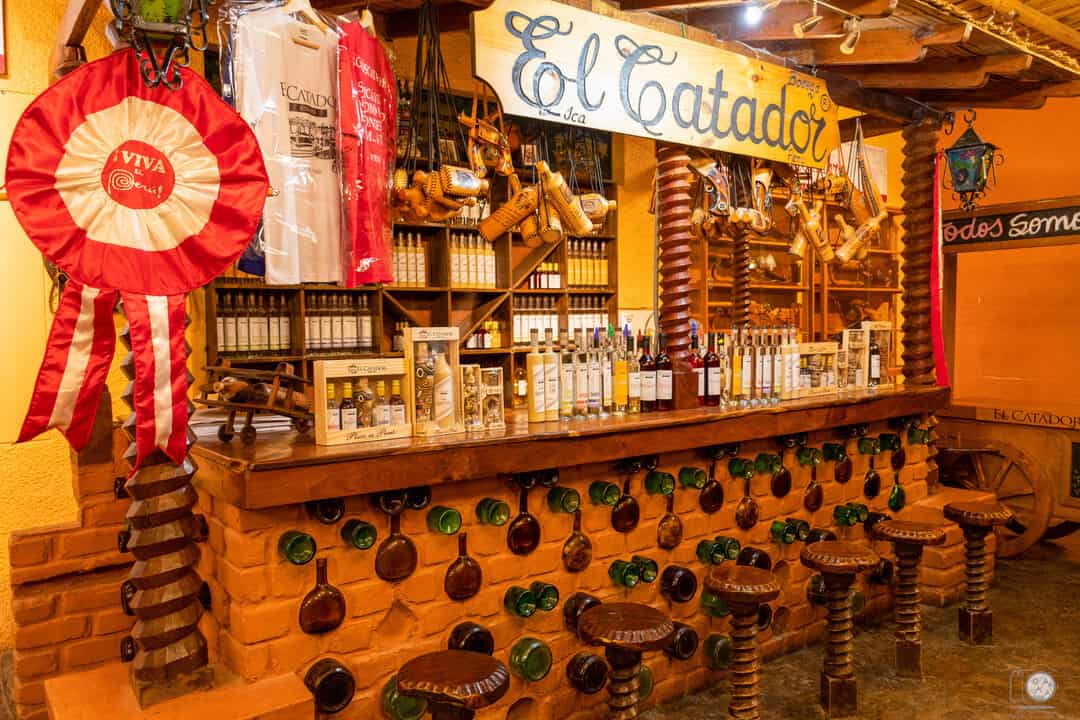
Bodega de Pisco en Ica: precios, tours y degustaciones
Visitar una bodega de pisco en Ica es una de las mejores formas de conocer cómo se produce esta bebida peruana, descubrir variedades de uva pisquera y participar […]

Pisco para Pisco Sour: qué tipo comprar y cuánto cuesta
Elegir el pisco para Pisco Sour puede cambiar considerablemente el resultado del cóctel. En Perú existen diferentes alternativas, desde piscos Quebranta y Acholados económicos hasta versiones premium y […]

Pisco Italia: precios, características y mejores opciones
El pisco Italia es uno de los piscos aromáticos más conocidos del Perú. Elaborado a partir de la uva Italia, destaca por sus aromas intensos y un perfil […]